Why Building Muscle Matters for Your Long-Term Health
August 25 • 2026
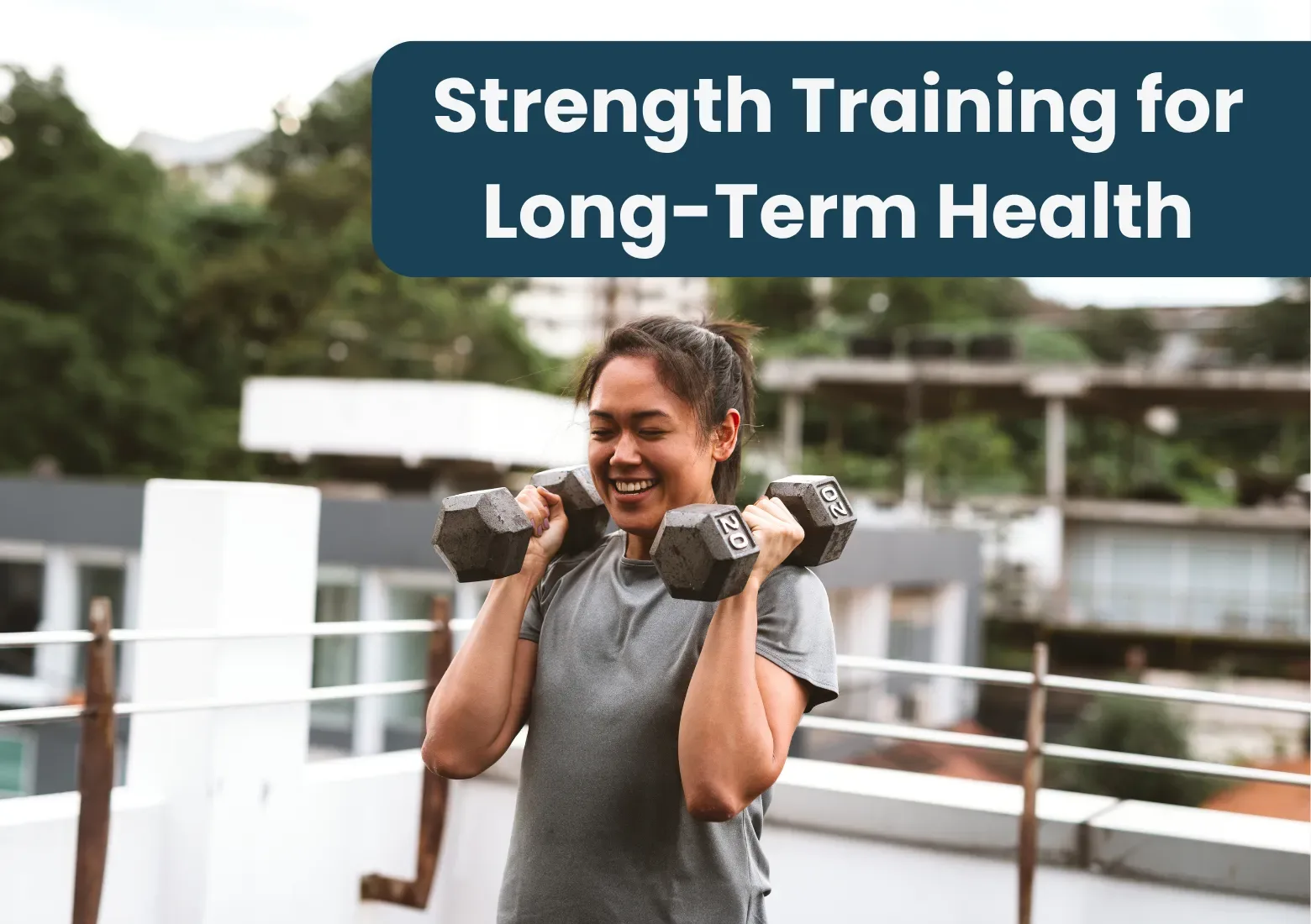
Why Building Muscle Matters for Your Long-Term Health
When people think about building muscle, they often picture athletes or heavy weightlifting at the gym. Building and maintaining muscle is about much more than strength or appearance; it plays an important role in your overall health. From supporting your metabolism to protecting your bones and joints, muscle helps your body function better at every stage of life.
Want to boost your metabolism, protect your bones, and prevent injuries? Building muscle does all that, and it’s never too late to start. Learn about the importance of strength training with Dr. Priya Shah.
Muscle Helps Support a Healthy Metabolism
One of the biggest benefits of muscle is how it supports your metabolism. Muscle tissue is metabolically active, which means it burns more calories even when your body is at rest. Compared to fat tissue, muscle requires more energy to maintain, which can help your body use energy more efficiently throughout the day. Muscle also plays a role in blood sugar regulation. When your body has healthy muscle mass, it can process and use glucose more effectively, which helps support stable blood sugar levels.
Strong Muscles Help Protect Your Bones
Strength training doesn’t just benefit your muscles; it also helps your bones.
As you age, bone density naturally decreases, which can increase the risk of fractures and conditions like osteoporosis. Resistance exercises place healthy stress on the bones, which can stimulate them to become stronger over time. Building muscle early and maintaining it throughout life can help support stronger bones and reduce fracture risk later on.
Muscle Supports Your Joints and Helps Prevent Injury
Your muscles also act as a support system for your joints.
When the muscles surrounding your knees, hips, shoulders, and back are strong, they help stabilize those joints during everyday movement, from lifting groceries to climbing stairs.
Stronger muscles can help:
- Improve balance and stability
- Reduce strain on joints
- Lower the risk of injury during daily activities or exercise
Muscle strength helps your body move safely and efficiently.
Starting Earlier Builds a Stronger Foundation
Like many aspects of health, the earlier you begin building muscle, the better. Muscle mass naturally begins to decline with age, a process sometimes referred to as age-related muscle loss. Starting strength training when you’re younger helps create a strong foundation that can make it easier to maintain muscle and mobility later in life. It’s never too late to start. Even later in life, strength training can still improve muscle strength, balance, and overall health.
Start with Light Weights and Focus on Form
If you’re new to strength training, it’s best to start simple.
Effective strength training isn’t about lifting the heaviest weight possible. It’s about consistency, proper technique, and gradual progress. Starting with lighter weights allows your body to adapt safely while building a solid foundation. Over time, you can increase resistance as your strength improves.
Some helpful tips for beginners include:
- Start with light weights or resistance bands
- Focus on proper form and controlled movements
- Allow time for rest and recovery between workouts
- Build consistency before increasing intensity
Small, steady progress often leads to the best long-term results.
A Simple Step Toward Better Health Through Strength Training
Strength training is one of the most effective ways to support your body as you age. From improving metabolism and bone density to reducing injury risk, building muscle offers benefits that extend far beyond the gym. At Aylo Health Primary Care, we’re here to help you build healthy habits that support your well-being at every stage of life. For additional resources, check out our blogs here.