Sunburn and Sun Poisoning: How to Protect Your Skin in the Georgia Sun
May 28 • 2026
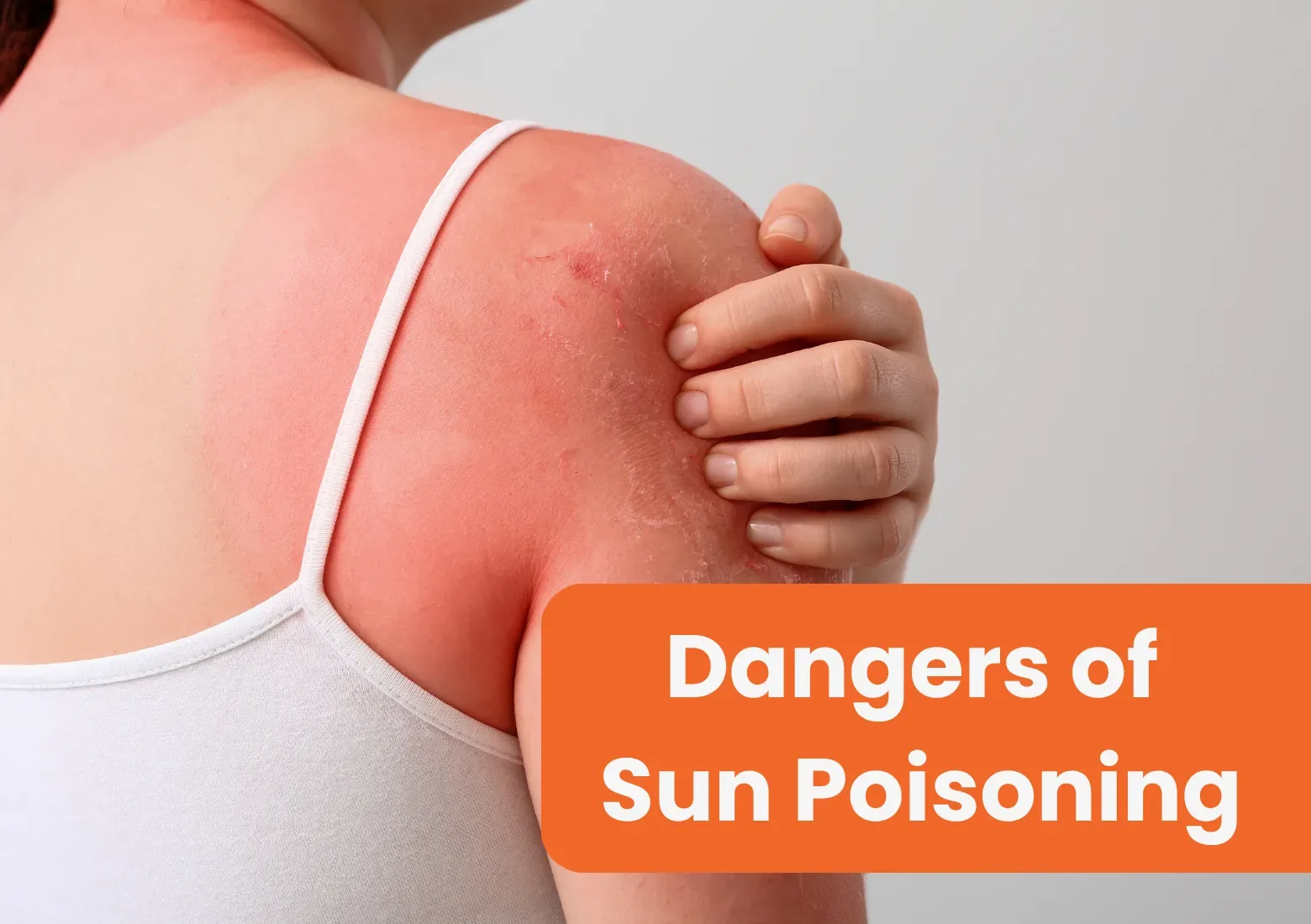
Sunburn and Sun Poisoning: How to Protect Your Skin in the Georgia Sun
Spending time outdoors is one of the best parts of summer, especially here in Georgia. But too much sun exposure can quickly turn a fun day outside into a painful sunburn. Sunburn occurs when your skin receives more ultraviolet (UV) radiation than it can handle. The result is redness, pain, tenderness, and sometimes peeling skin. While sunburn may seem like a temporary irritation, repeated sun damage can affect your skin’s long-term health.
That painful sunburn might feel like a temporary inconvenience, but it can have lasting effects on your skin. Learn more with Bradley Gaydos, FNP-C.
Why Sunburn Is More Than Just Uncomfortable
Sunburn happens when UV rays damage the DNA in your skin cells. Your body responds with inflammation, which causes the redness and pain many people associate with a burn. Over time, repeated sunburns can increase the risk of premature skin aging and skin cancer. That’s why protecting your skin from excessive UV exposure is one of the most important steps you can take for long-term skin health.
Simple Ways to Prevent Sunburn
Protecting your skin doesn’t have to be complicated. A few basic habits can go a long way in reducing sun damage.
Helpful sun safety tips include:
- Apply a broad-spectrum sunscreen with at least SPF 30
- Reapply sunscreen every two hours, especially if you’re swimming or sweating
- Wear protective clothing, hats, or sunglasses when possible
- Seek shade during the strongest sunlight hours
These steps help reduce your exposure to harmful UV rays while still allowing you to enjoy time outdoors. For more sun safety tips, check out how to stay safe in the Georgia heat.
When Sunburn Becomes Sun Poisoning
Excessive sun exposure can lead to sun poisoning, which is a more severe reaction to UV damage.
Symptoms may include:
- Severe blistering
- Swelling
- Headaches
- Fever
- Nausea
- Dehydration
Sun poisoning can make you feel significantly ill and may require medical attention if symptoms become severe.
How to Care for a Mild Sunburn
If you develop a mild sunburn, there are several steps that may help your skin recover.
- Take cool showers or baths to soothe the skin
- Apply gentle moisturizers, such as aloe-based products
- Drink plenty of water to stay hydrated
- Avoid additional sun exposure while the skin heals
These steps can help ease discomfort while your skin repairs itself.
When to See a Healthcare Provider
If you notice severe blistering, dizziness, dehydration, or symptoms that don’t improve after a few days, it’s important to speak with a healthcare professional. Protecting your skin is one of the simplest ways to support your long-term health. If you have concerns about sunburn, unusual skin changes, or sun safety, your Aylo Health primary care provider can help evaluate your symptoms and recommend the right next steps. Looking for more ways to stay safe this summer? Check out our blogs here.
Stay Cool and Safe in the Georgia Heat: Essential Sun Safety Tips
Recognizing and Preventing Heat Exhaustion This Summer