Reheating Rice: What You Should Know to Avoid Food Poisoning
May 7 • 2026
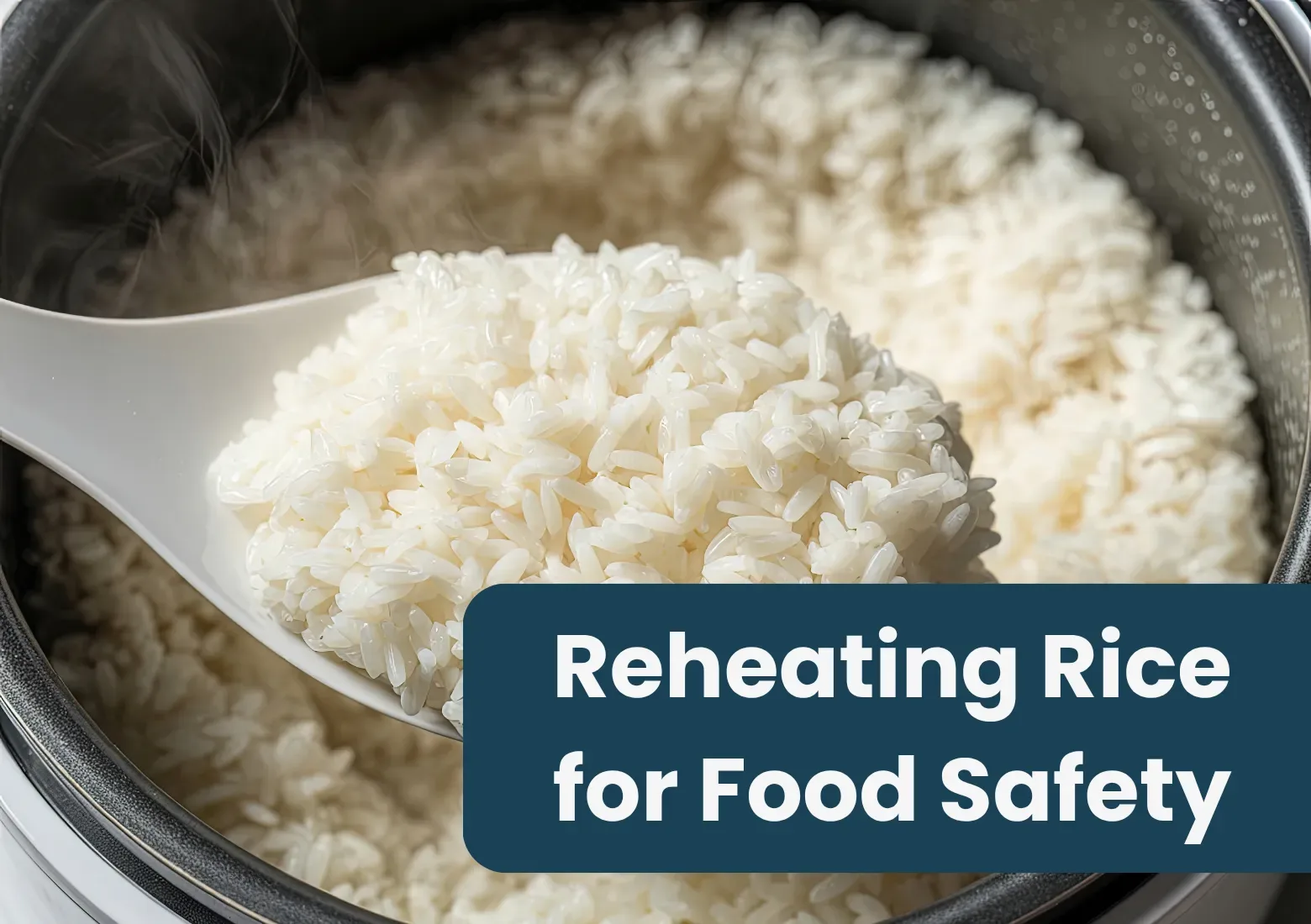
Reheating Rice: What You Should Know to Avoid Food Poisoning
There are more and more videos on social media and local news highlighting the dangers of reheating leftovers. For many, rice is a staple, and leftovers often end up in the refrigerator for another day. While reheating rice is common, many people are surprised to learn that it can sometimes lead to foodborne illness if it isn’t handled properly. The good news is that with a few simple food safety habits, you can safely store and reheat rice while reducing the risk of getting sick.
Did you know reheating rice can sometimes be unsafe? Learn with Madison Odom, PA-C why proper storage matters more than you might think.
Why Rice Can Become Unsafe
Uncooked rice can naturally contain spores from a type of bacteria called Bacillus cereus. These spores are very resilient and can survive the initial cooking process. If cooked rice is left sitting at room temperature for too long, those spores can grow into bacteria. As the bacteria multiply, they can produce toxins that may cause food poisoning if the rice is later eaten. This is why how rice is stored after cooking is just as important as how it’s prepared.
Proper Storage Is the Key
The safest way to handle leftover rice is to cool and store it quickly. After cooking rice, allow it to cool briefly and then place it in the refrigerator within about one hour. Storing it promptly helps slow the growth of harmful bacteria. When you’re ready to eat it again, make sure the rice is reheated until it is steaming hot all the way through. It’s also important to avoid reheating rice more than once. Each time rice is cooled and reheated, the risk for bacterial growth increases.
Signs That Rice May Have Gone Bad
Unlike some foods, rice doesn’t always develop a strong odor right away when it begins to spoil.
In some cases, you might notice:
- A slimy or sticky texture
- A sour or fermented smell
- Discoloration
However, it’s important to remember that harmful toxins can still be present even if the rice looks and smells normal. This is why timing and proper refrigeration are so important.
Simple Food Safety Habits Matter
Foodborne illness can often be prevented with small, consistent habits in the kitchen. Cooling foods quickly, storing leftovers properly, and reheating them thoroughly can all help reduce the risk of harmful bacteria. If you experience symptoms such as nausea, vomiting, or stomach cramps after eating questionable food, it’s a good idea to monitor your symptoms and seek medical guidance if they persist. If you have concerns about food safety or symptoms of foodborne illness, your provider can help you determine the next steps so you can get back to feeling your best.