Noticing More Hair in Your Brush or Shower? Hair Shedding Explained
July 14 • 2026
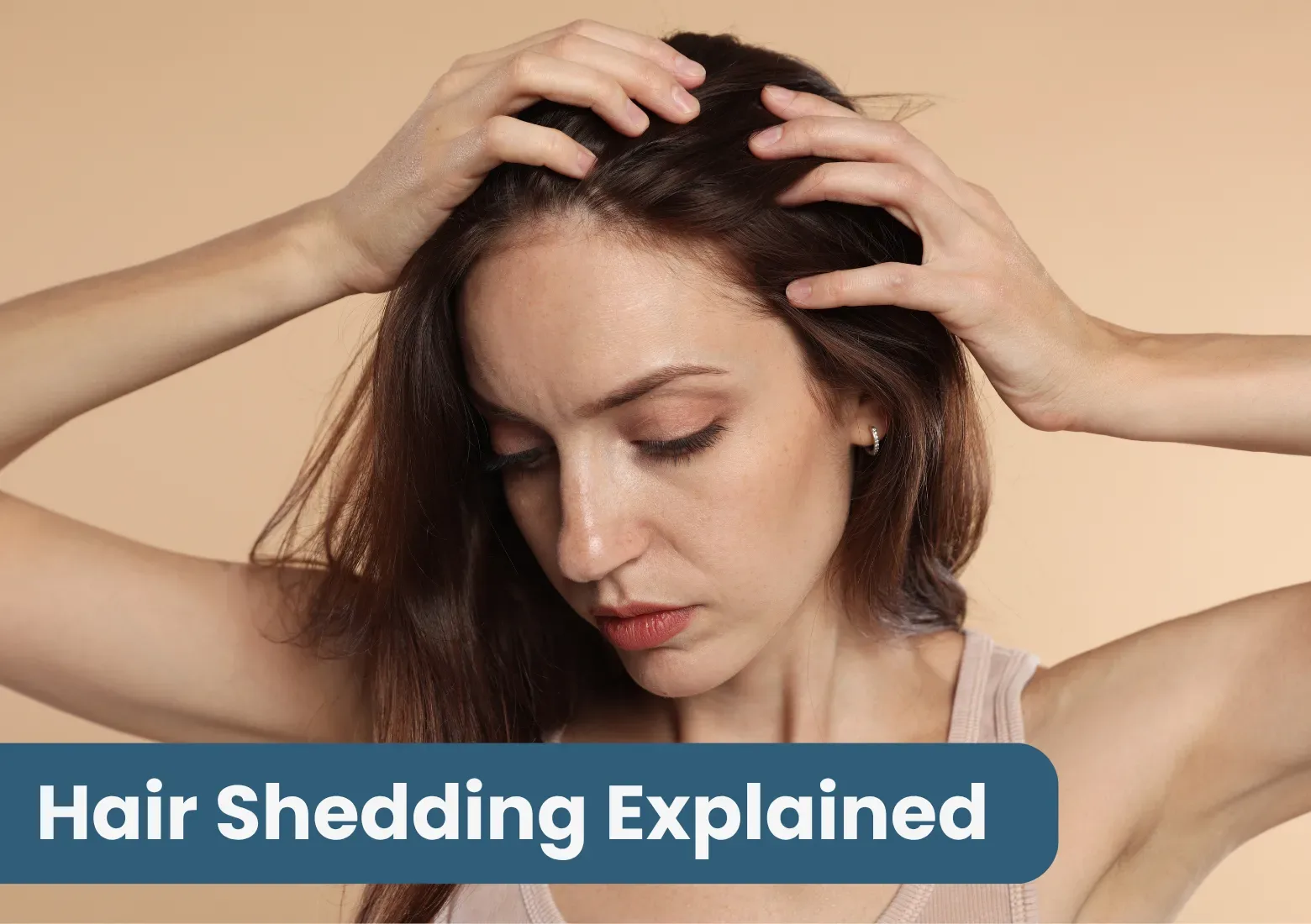
Noticing More Hair in Your Brush or Shower? Hair Shedding Explained
Finding extra hair in your brush, on your pillow, or in the shower drain can be concerning. If you’ve started noticing more shedding than usual, you’re not alone, and in many cases, there’s a reason behind it. Hair loss can happen for a variety of reasons, and some causes are more common than you might think. The good news is that when you understand what might be behind it, you can take steps to address the underlying issue.
Noticing more hair in your brush or shower lately? It might be more common than you think, and your body could be trying to tell you something. Learn more with Dr. Rachel Jacobs.
Stress Can Affect Your Hair
One of the most common causes of temporary hair loss is stress. Both physical stress (like illness, surgery, or major weight changes) and emotional stress can affect the hair growth cycle. When the body experiences stress, more hair follicles may shift into the shedding phase earlier than normal. This type of hair loss can show up weeks or even months after the stressful event, which sometimes makes it harder to connect the two. In many cases, once the stress resolves and the body recovers, hair growth can gradually return to normal.
Hormonal Changes May Play a Role
Hormones have a significant influence on hair growth, which is why certain life stages or medical conditions can lead to noticeable changes.
Some common hormone-related causes include:
- Postpartum hormone shifts after pregnancy
- Polycystic Ovary Syndrome (PCOS)
- Thyroid disorders
When hormone levels change, the hair growth cycle can be disrupted, sometimes leading to increased shedding or thinning. If hormonal changes are the cause, addressing the underlying condition can often help improve hair health over time.
Nutrient Deficiencies Can Impact Hair Growth
Your hair follicles rely on nutrients to stay healthy. When the body is low in certain vitamins or minerals, it can affect hair growth. One of the most common deficiencies linked to hair loss is low iron. Iron plays an important role in carrying oxygen to cells, including those that support hair follicles. Other nutritional factors can sometimes contribute as well, especially during periods of dietary change or rapid weight loss. A simple evaluation or blood test can often help determine whether a nutrient deficiency may be part of the issue.
Sometimes It’s Genetic
Hair thinning can also be related to genetics. Pattern hair loss, sometimes called male or female pattern hair loss, can run in families. This type of hair loss typically develops gradually and may show up as thinning along the crown or hairline. While genetics can’t be changed, identifying the cause early may help open the door to treatment options that can slow progression.
Other Less Obvious Causes of Hair Loss
There are also several lesser-known factors that may contribute to hair loss, including:
- Certain medications
- Tight hairstyles that repeatedly pull on the scalp
- Sudden or significant weight loss
- Chronic illness or inflammation
Because hair growth is closely tied to overall health, changes in your body can sometimes show up through changes in your hair.
When Is Hair Loss Worth Checking Out?
It’s important to know that some shedding is completely normal. Most people lose around 50–100 hairs per day as part of the natural hair growth cycle. However, it may be worth speaking with a provider if you notice:
- Ongoing or sudden increases in hair shedding
- Thinning areas on the scalp
- Bald spots
- Changes in your hairline
- Hair loss that doesn’t seem to improve over time
Your body often sends signals when something isn’t quite right, and hair changes can sometimes be one of those signals.
Getting to the Root of the Issue
If you’re concerned about hair loss, the most important step is identifying the underlying cause. In many cases, it’s something that can be addressed once it’s properly evaluated. At Aylo Health Primary Care, we’re here to help you connect the dots between your symptoms and your overall health. If you’ve been noticing changes in your hair and want to better understand what might be causing them, stop by and see us.