Don’t Forget About Your Fiber Goals
May 15 • 2026
Don’t Forget About Your Fiber Goals
We hear a lot about protein goals these days. How much you should eat, when to eat it, and how it helps build muscle. But there’s another nutrient that deserves just as much attention: fiber.
Fiber plays an essential role in your overall health, especially when it comes to digestion, heart health, and maintaining balanced energy levels. While protein helps build and repair muscle, fiber works behind the scenes to support many of the body’s daily functions.
Everyone talks about protein goals, but are you hitting your fiber goals too? Learn more with Dr. Priya Shah.
Why Fiber Is So Important
Fiber is a type of carbohydrate found in plant-based foods that the body can’t fully digest. Instead of being broken down like other nutrients, fiber moves through the digestive system and helps keep things running smoothly.
Getting enough fiber can help:
- Support healthy digestion
- Keep your gut microbiome balanced
- Promote regular bowel movements
- Lower cholesterol levels
- Support heart health
- Help manage blood sugar levels
Fiber slows digestion and helps stabilize blood sugar, which can also help you feel full longer and maintain steady energy throughout the day.
Most People Aren’t Getting Enough Fiber
Despite its many benefits, many people fall short when it comes to daily fiber intake.
For optimal health:
- Women should aim for at least 25 grams of fiber per day
- Men should aim for about 38 grams per day
However, research shows that most people are only getting about half of the recommended amount. The good news is that adding more fiber to your diet doesn’t have to be complicated. Small adjustments to your meals and snacks can help you reach your daily goals over time.
Fiber-Rich Foods to Add to Your Routine
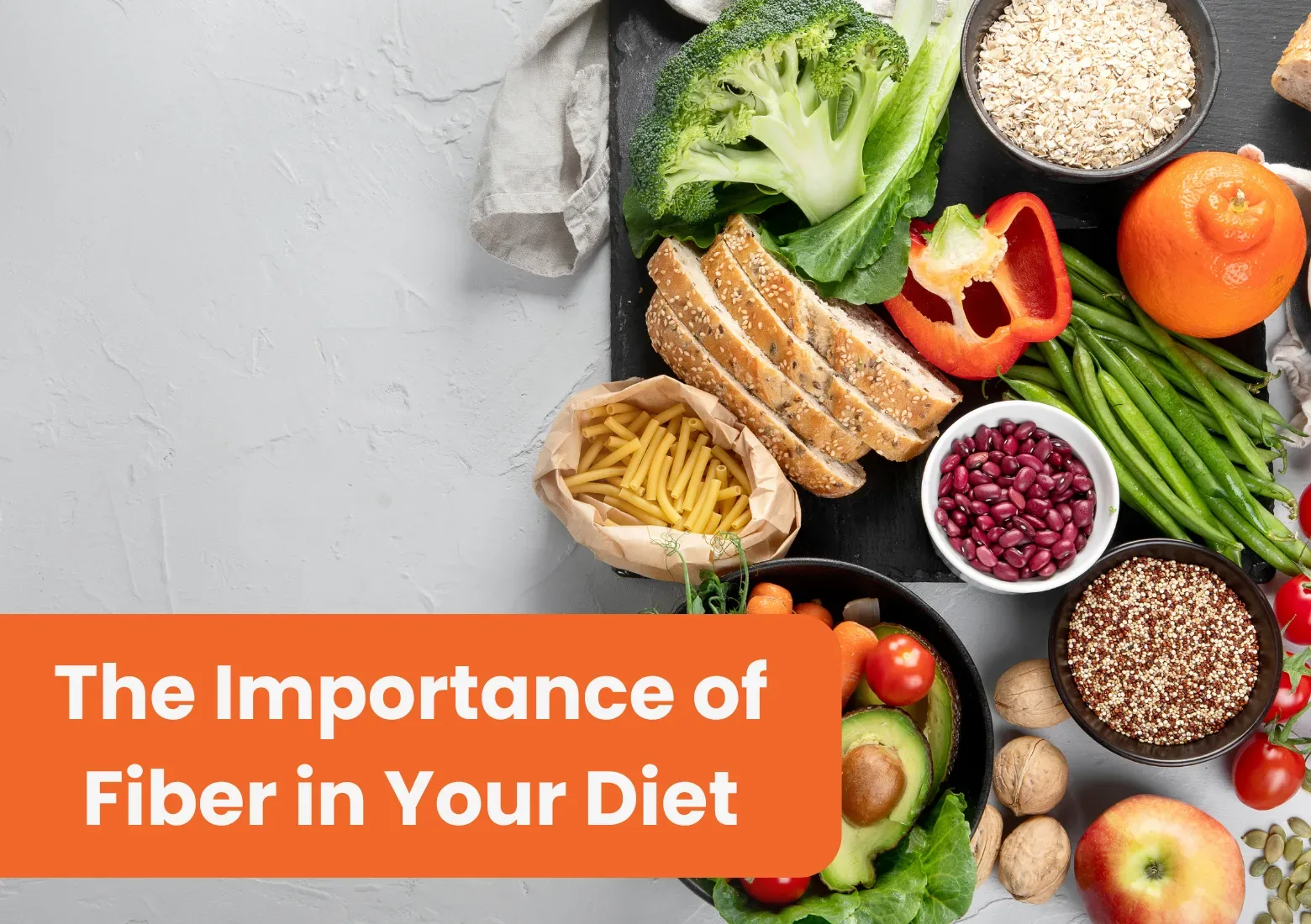
Many everyday foods are naturally high in fiber and easy to incorporate into your diet. Fruits, vegetables, whole grains, beans, nuts, and seeds are all excellent sources.
Here are a few fiber-rich foods that can help boost your intake:
- Artichokes – about 7 grams of fiber per cup
- Barley – about 6 grams of fiber per cup
- Navy beans – about 19 grams of fiber per cup
- Raspberries – about 8 grams of fiber per cup
- Almonds – about 3.5 grams of fiber per ounce
Simple swaps like adding berries to breakfast, choosing whole grains, or snacking on nuts can help you increase your fiber intake without dramatically changing your diet.
Balance Matters
Protein is important for building and maintaining muscle, but nutrition works best when it’s balanced. Fiber plays a different but equally valuable role in supporting your overall health.
By focusing on a variety of nutrient-rich foods, you can help support your digestive system, heart health, and long-term wellness.